Showing posts with label winter skin care. Show all posts

Thursday, January 31, 2008

Beauty Talk: Winter Skin Care for Outdoors


This winter is almost coming to an end and I finally got around to skin care products for outdoors (walks and winter sports) in winter. Want to take a brief look at products that will give the necessary protection.

If you like long walks in the fresh winter air or do winter sports, you need to provide your skin with some extra cold-wind-sun protection.

As I have mentioned many times in the previous winter skin care posts, in the cold weather skin’s barrier functions are lowered as a result it doesn’t keep moisture in and becomes an easy prey for free radicals. When you are outdoors a long time, you need to make sure you keep up the lipid barrier of your skin and protect it against UV light.

Rule No 1: Do not use a water based moisturizer! If the temperatures are really low and it is windy, it will freeze on your skin. Choose oil based products with occlusive ingredients. Ingredients to look for are beeswax, Shea Butter, Borage Seed Oil, Hazelnut oil etc.
Rule No 2: Make sure either your moisturizer has SPF or you apply additional sun-screen. It is especially important on bright snowy days while sun’s power increases 80% with its reflection off the snow. If you ski, every 1000 meters sun’s intensivity increases by 15%.

Some products to consider

Face
  • All-Sport Non-Freeze Face Protector SPF 30 from Kiehl’s is wax-based and is water-resistant, “acts as a barrier against harsh environmental conditions such as sun, wind and cold”
  • Skin Insulator SPF 15 from Ole Henrikson – described on the Ole Henrikson website as “a perfect creme to protect against cold weather & literally insulate the capillaries from aggressors”, recommended for “skiing or any time your skin is vulnerable to cold or harsh weather”
  • Mountain Suncream SPF 50 from Piz Buin specially developed to protect against sun, cold and wind in the mountains.
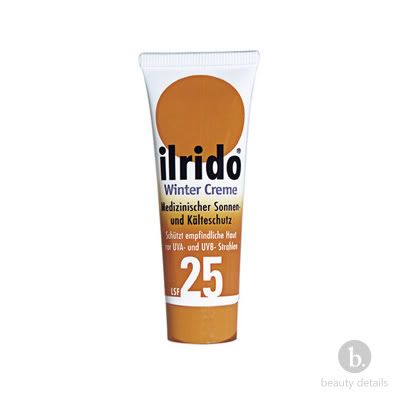
  • Winter Crème LSF 25 from Ilrido
  • Sun and Cold Protection LSF 25 from Ladival
  • Outdoor Protection Creme LSF 15 from Sans Soucis

  • “Pure Altitude” Line from Fermed de Marie
  • Outdoor Meetings, Wintertime Face Cream from Sheerin O'Kho

    Eye Area
  • Sun protection Eye Crème SPF 25 from Shisiedo
  • Eye Crème Sun Performance Anti-Aging Sun Gel for Eyes SPF 15 Estee Lauder
  • CLARINS Sun Wrinkle Control Eye Contour Care 30 SPF

    Lips
  • Glossy Shine Sun from Biotherm SPF 15
  • Energizing Pomegranate Lip Therapy LSF 15 from Murad
  • Lip Care from Neutrogena SPF 20
  • Cell Culture Lip Solution SPF 15 from SBT

    Read more:
    - Dehydrated and Dry Skin: causes and symptoms
    - How to choose
  • Cleansing Products for Winter
  • Moisturizer for Winter
    - Post on general Winter Skin Care Tips
    - More detailed “Skin Care in Winter” Article
    - Click for more information on skin care products for winter.
    - Feel like shopping? You can buy face oils and other skin care for winter online right away.


  • Tuesday, January 22, 2008

    Beauty Talk: Treat Dry and/or Dehydrated Skin: Face Oils

    This post is a continuation of the series of posts on Dry and Dehydrated Skin. Make sure you read about the causes and how to treat dry and/or dehydrated skin.

    Do not confuse face oils that are sold ready for use with essential oils which need to be diluted before application on the skin.

    Face Oils can be especially beneficial for the dry and dehydrated skin as they can balance it fast and help to lock the moisture in. Oils have high penetration capabilities. They penetrate deep into the skin and deliver much needed nutrients, vitamins and antioxidants.
    Anyone can benefit from a face oil including mixed and oily skin types. The trick is to choose the right oils but most importantly to apply it correctly. When I was researching for this post, I came across a couple application methods.

  • Damp Skin Method
    Experts always just say – apply to damp skin. But when I tried it, my mixed skin felt uncomfortably oily.
  • Warm water and Wash Cloth Method
    So I tried this one out. Here it is step-by-step:
    1. Cleanse face, leave it damp
    2. Put a few oil drops in your palm and mix with warm water
    3. Apply and massage into the face/neck
    4. Give it a couple minutes
    5. Gently wipe face with damp washcloth
    I was surprised with the results. It did get absorbed and my skin was not left unpleasantly oily.
  • Wet Hands Method
    1. Cleanse face
    2. Apply a couple oil drops on both sides of your face
    3. Wet your clean hands with warm water
    4. Massage oil into the face/neck
    5. Give it a couple minutes to get soaked in before applying your moisturizer or makeup

    If you are just beginning to use face oils, it can take you some time to learn what amount to apply. So several times you may end up with an uncomfortably oily face. That’s why perhaps the Damp Skin Method (see above) did not work for me- it was my first face oil application ever.

    Here are some oils to consider:
    Black Currant Complexion Oil from Ole Henriksen (all skin types / rosacea): contains vitamin E, Apricot Kernel, rich in Gamma Linolenic Acids (type of omega-6 fatty acids). Described as “providing skin with environmental protection and resiliency”, “anti-inflammatory” and “protecting capillary walls from cold weather damage” *Recommended by a facialist Anastasia Achilleos in Elle Us Oct 2007
    Face Treatment Oil “Santal” from Clarins (dry, extra dry skin) contains Lavender, Hydrogenated Peanut, Hazelnut Oils. “Helps reduce appearance of slight reddening, nourishes skin, helps prevent moisture loss.” * Featured in Young, Germany Nov. 2007
    Almond Oil from Weleda (all skin types, sensitive skin). Almond oil is known for its ability to relief dry skin by helping it to rebuild the hydrolipidic barrier and promote moisture balance.
    Plante System Organic Cosmetics Exquisite Oil is “rich in phytosterols and polyphenols that regenerate and soothe the skin, and guarantees a long-lasting protection of the epidermis” Contains olive tree oil (Soothing, anti ageing) sea buckthorn oil (regenerating, anti-oxidant), green tea oil (antioxidant, redensifying), sesame oil (nourishing, soothing, protective). Certified by Ecocert and is paraben free, phenoxyethanol free. *Recommended by Eve, UK Feb. 2008
    Nadur Organics Radiant Face Rescue Serum (all skin types including oily) contains nourishing and revitalising blend of essential oils: Chilean Rosehip Seed, Hemp Seed, Sweet Almond and Jojoba plus essential oils of Indonesian Ylang Ylang, Italian Bergamot & Sicilian Mandarin. Promises “A super-concentrated, non-greasy formula” to revitalize, soften, brighten your skin. 98.5% organic - 100% natural. *Featured in Eve, UK Feb. 2008
    Niaouli Aromatic Care from Darphin (Combination to oily) contains Niaouli, Cypress and Lemon and Bitter Orange Oils. Helps to balance and protect oily/combination skin. Promises to “calm and refresh skin”.

    By the way, do an allergy test before using an oil. If you are allergic to nuts, and this can be a very nasty allergy, make sure your facial oil does not contain any nut oils.


  • Read more:
    - Dehydrated and Dry Skin: causes and symptoms
    - How to choose
  • Cleansing Products for Winter
  • Moisturizer for Winter
    - Post on general Winter Skin Care Tips
    - More detailed “Skin Care in Winter” Article
    - Click for more information on skin care products for winter.
    - Feel like shopping? You can buy face oils and other skin care for winter online right away.


  • Thursday, January 17, 2008

    Beauty Talk: Treat Dehydrated and Dry Skin


    photo by J.Star

    This is a continuation of the topic Dehydrated and Dry Skin. Go to this post to read about symptoms, causes, explanation on how skin gets dehydrated.

    In this post I look into what you can actually do to re-hydrate your skin and to help it keep the moisture in.

    Get Moisture Back

    Exclude(or Minimize) the Dehydrating External and Internal Factors:

    Our smart bodies know how to keep themselves balanced and hydrated… Just help your body and do not undermine its work!

    - keep up healthy water intake (1-2 liters a day)
    - avoid dehydrating drinks: coffee and alcohol
    - do not overindulge into saunas and baths which strip off lipids, make you sweat and stimulate water evaporation from the skin’s surface
    - eliminate dry dehydrating air: when there is more water in your skin than in the air, water evaporates from the skin’s surface easier. Control your environment by using a humidifier
    - stop using harsh skin care product such as deep pore cleansers, exfoliators, daily scrubs, acids, alcohol containing products etc. Read this post on how to select a mild cleanser.
    - use the correct skin care products
    - moisturize religiously

    Put Moisture Back into You Skin!

    If your skin is seriously dehydrated, you will need some extra skin care products to help it get back to normal. In addition to a daily moisturizer use an intensive moisturizing serum as a treatment for 1-2 months. This will help to kick-start the process of your skin’s re-hydration.

    Here are some examples of SOS-hydration products you can consider:

    - Thirst Quenching Hydra-Care Serum from Clarins: restores hydra-lipid barrier. I tried out a small sample: the serum has a very light liquid texture, feels nice on the skin but has quite a strong fragrance. It is marked non-comedogenic.
    - Super-Aqua Serum (Optimum Hydration Revitalizer) from Guerlain: Promises to deeply hydrate the skin and provide moisture for 30 hours.
    - Cell Culture Face Care Serum from SBT contains “Cell Culture Phase” mysterious combination of ingredients (not revealed on SBT website) that brings skin into balance and restores its health.

    Note the above mentioned serums are not supposed to be used alone and have to be followed by a daily moisturizer.

    Lock Moisture In!

    There are a lot of products for dry/dehydrated skin on the market. I looked into some of them and tried a couple out. Here are examples of some products you can consider (to find out what emollient, occlusive, humectant means read this post):

  • Face Oils: Selected and applied correctly, those can be great for any skin type - not just the dry one. Facial oils not only lock in moisture but also act like serums: they can penetrate deeper into the skin and deliver much needed nutrients, vitamins, antioxidants etc. Tip: apply face oil to dampened skin. While dry skin types can apply face oil twice a day, other skin types may prefer to do it once as a night treatment. Mixed and oily skin types can benefit from balancing Lavender and Ylang-Ylang Oils. Dry types can try Almond and Jasmine Oils. Read a post on face oils.

  • Vichy Nutrilogie 2 is based on patented sphingo lipids. Sphingolipids are naturally produced in the skin and play a very important role in retaining moisture. Nutirlogie 2 also contains glycerin (humectant), shea butter (emollient), petrolatum (occlusive), beeswax (occlusive), macadamia seed (emollient and anti-anti-oxidant) and apricot kernel oils.

  • Cold Cream from Avene specially made for extremely dry skin and has good occlusive properties due to beeswax. Avene offers a complete “Cold” line for dry skin. * Recommended by Glamour Shopping, Germany Winter 2007, Amica Germany Jan. 2008

  • Weleda Iris Day Cream (all skin types). Intensive care cream. Described as regulating “natural moisture balance” and protecting skin from the aggressive environment. It contains a combination of emollient and occlusive ingredients: jojoba oil (emollient), beeswax, glycerin, shea butter, cocoa butter (emollient), extract from iris roots etc. My Experience: Even though it is marked “all skin types” it is definitely too occlusive for my mixed skin.

  • Olive Oil Line from Serious Skin Care. Formulated for dry and dehydrated skin as well as seasonally dry skin. Contains first pressed olive oil and olive leaf extracts. Serious Skin Care promises it won’t feel too heavy and won’t clog your pores. Olive oil contains lipids which are very similar to our skin’s natural lipids. They effectively coat the skin to protect it from loss of moisture.

  • Aveeno Skin Relief Moisturizing Cream formulated for extremely dry skin. According to Aveeno, it is clinically proven to moisturize for 24 hours. Contains oatmeal, cocoa and shea butter.

  • Sisley’s Hydra Flash, Formule Intensive (All Skin Types) contains natural plant extracts (Rice, Sesame) and essential oils (Marjoram, Rosewood). Sisley promises enhanced cell cohesion and encouraged "moisture binding in the outer skin layers" My Experience: The cream feels very rich. I was afraid that it will break out my mixed skin but it did not. However I think it will be a bit too much for oily skin. I liked the product: my skin felt comfortably moisturized. But I didn't see any miraculouse changes like "velvety appearance" and smoothness. Perhaps I have not used it long enough. Note: It is on the pricey side.


  • Dermalogica Barrier Repair - "(waterless) moisturizer that melts gently into sensitized skin to soothe and help repair damage caused by environmental aggressions" Contains Oil of Evening Primrose and emollient silicones to strengthen the skin's natural lipid barrier. Shea Butter, Vitamin C and Bisabolol protect skin from dehydration, free radicals and inflammation.

  • Also take a look at Hydrophase XL from La Roche-Posay and Orlane Super-Moisturizing Line. The latter has a Super-Moisturizing Serum that, as Orlane explains, stimulates hyaluronic acid production and “is effective in transmitting water to the epidermis”. Check outSuper-Moisturizing Concentrate – formulated specially for “dehydrated skin or extreme climatic conditions”


    Hydrate and Protect with Make-Up!

    For an additional hydrating/ coating effect upgrade your foundation or powder to a richer texture or use a tinted moisturizer.

    Check out:


  • Clinique’s Super Moisture Makeup

  • Lumineuse Tinted Moisturizer from Vichy

  • Olive Oil Line from Serious Skin Care has foundation and primer for very dry skin types

  • Orlane also offers a combination of makeup and skin care in their Super Moisturizing Line - Teint Absolu


  • Read more:


    - Dehydrated and Dry Skin: causes and symptoms
    - How to choose
  • Cleansing Products for Winter
  • Moisturizer for Winter
    - Post on general Winter Skin Care Tips
    - More detailed “Skin Care in Winter” Article
    - Click for more information on skin care products for winter.
    - Feel like shopping? You can buy skin care products for dry skin online right away.
  • Wednesday, January 16, 2008

    Beauty Talk: Dehydrated and Dry Skin in Winter


    Dehydrated skin refers to a condition when there is a lack moisture in the intercellular system of the skin. Skin can become especially susceptible to dehydration and severe dryness in winter due to the aggressive environmental factors. Dry skin types suffer the most from symptoms of dehydration.

    Signs of Dehydrated Skin

    Dehydrated skin can be recognized by the following signs:
  • feels tight and/or burning
  • gets often irritated
  • has lower ability to regenerate and heal
  • flakes
  • develops dry lines

    If your symptoms are serious, you should consult a dermatologist.

    What Causes Skin’s Dehydration

    There are several reasons for skin’s dehydration and dryness. I won’t go into extreme detail: skin dryness is a huge separate topic. I would like to list several important causes which include external and internal factors.

    External:
    - use of harsh products on the skin
    - saunas, hot baths
    - harsh environment such as winds and cold temperatures
    - dry air, hot weather
    - pollution

    Internal:
    - illness
    - medication
    - indulging into dehydrating drinks: coffee and alcohol
    - smoking

    How Skin Gets Dehydrated

    Let’s look in more details at how skin gets dehydrated. This way you can understand better, what to do to prevent or treat this condition. The top, most superficial skin’s layer, called horny layer, normally contains 15% of water; deeper layers contain up to 80% of water. Horny layer plays a key role in helping to contain moisture in the deeper layers of the skin. It is important for regulating natural (balanced) flow of moisture from the deeper skin’s layers to the upper ones and its evaporation from the skin’s surface.

    To fulfill its vital protective functions horny layer needs lipids and sebum. Put simply, the latter coat the skin and create a water-proof barrier which also protects skin from bacteria, viruses, fungi etc. Harsh environment conditions and skin care products can strip skin of protective lipids/sebum or/and result in lower production of lipids and sebum. This leads to weakening of the protective skin’s barrier. Water can evaporate from the skin’s surface easier. When moisture level in horny layer gets down to 10%, you have a problem. Natural functions of the skin stop working efficiently and skin looses more and more water which results in its dehydration. It is important to treat this condition as soon as possible to avoid some permanent damage.

    So as you can see, any skin type can experience dehydrated skin. “Oily” skin does not mean “moisturized” skin. Oil, which is sebum, helps to lock moisture in the skin.

    Read Other Posts in the Series:
    How to Get Moisture Back into Your Skin:
    Exclude(or Minimize) the Dehydrating External and Internal Factors

    Our smart bodies know how to keep themselves balanced and hydrated… Just help your body and do not undermine its work!

    - keep up healthy water intake (1-2 liters a day)
    - avoid dehydrating drinks: coffee and alcohol
    - do not overindulge into saunas and baths which strip off lipids, make you sweat and stimulate water evaporation from the skin’s surface
    Read more

    Treat Dry and/or Dehydrated Skin: Facial Oils

    Face Oils can be especially beneficial for the dry and dehydrated skin as they can balance it fast and help to lock the moisture in. Oils have high penetration capabilities. They penetrate deep into the skin and deliver much needed nutrients, vitamins and antioxidants.
    Read further

    Read more on Winter Skin Care

    - How to choose

  • Cleansing Products for Winter
  • Moisturizer for Winter
    - Post on general Winter Skin Care Tips
    - More detailed “Skin Care in Winter” Article
    - Click for more information on skin care products for winter.
    - Feel like shopping? You can buy skin care products for dry skin online right away.
  • Friday, January 11, 2008

    Beauty Talk: Winter Skin Care Products - Choosing a Moisturizer for Winter


    In the previous Beauty Talk I looked into choosing a cleanser for winter. The most important tip for choosing a cleanser is to go with a mild and gentle option ( read more). Now it is time to look into selecting the right moisturizing product for winter.

    As mentioned in the winter skin care post, during the cold season -in those parts of the world where the weather does get cold- our skin changes and skin type can shift. Of course, it is not necessarily that your skin type will change. However if you start to experience one or several of the following symptoms: skin tightness, burning sensation, irritation, itchiness, redness, flaking skin, appearance of dry lines, break outs – it means your skin type must have changed and your skin care products do not satisfy your skin’s needs. Some of the symptoms like irritation, redness and itchiness can also mean your skin has developed sensitivity.

    What exactly is happening to the skin and why does skin type shift in winter?

    Our skin simply reacts to the changes in its environment. In winter our skin reacts to the following environment conditions:
  • Low/minus temperatures outdoors
  • cold/ freezing winds
  • dry/warm air indoors (due to the heating system)
  • sudden transitions between cold outdoors and warm/dry indoors

    The above listed conditions cause (and are not limited to) the following reactions:
  • worse blood circulation in the skin
  • decrease in production of sebum and lipids
  • widened capillaries

    Finally, the following skin symptoms set in:
  • dull, pale complexion
  • dehydration
  • dry lines
  • skin flaking
  • irritation, redness and sensitivity
  • cuperose = broken capillaries

    *Worse blood circulation results in less nutrients and oxygen getting to our skin which, in its turn, causes all healthy skin processes to slow down and results in dull, pale, grey complexion.
    * Sebum and lipids are both responsible for lubricating the skin, creating and keeping up the protective barrier on top of it. This protective barrier keeps it sheltered from the environmental aggressors and helps skin to keep moisture locked in the top skin layers.
    ** When skin’s protective barrier is weakened it is more susceptible to free radicals and irritants which results in its sensitivity.
    ** In addition, skin cannot keep its hydration in balance and starts to lose moisture. It sort of “evaporates” from the skin. This results in its dehydration, burning sensation, dry lines, flaking etc.

    To prevent and treat the symptoms, you need to deal with the main reasons.


    Skin Care Strategies for Winter
  • Improve nutrients intake and oxygen flow.
    - keep to a healthy vitamin charged diet and take a quality vitamin supplement
    - give yourself a face massage and at-home facials regularly (massage: every other day or even every day when applying your daily moisturizer, at-home facial: 1-2 times a week)
    - exercise on a regular basis as it effectively stimulates blood circulation
    - use skin care products which contain Vitamins and ingredients stimulating blood circulation: Ginseng, Manganese, Magnesium, multivitamins A, C, E etc.

  • Respond to skin’s needs as soon as possible by:
    - improving hydration
    - restoring and keeping balanced skin’s protective barrier
    For your skin care routine to be effective, these two have to go together!

    Let’s look into more details on how you can adjust your skin care products and regimen.

    I have already mentioned such ingredients in skin care products as
    humectants – attract moisture to the skin (e.g.: Butylene Glycol, Glycerin, Hylauronic Acid, Honey Extract)
    emollients – soften, lubricate, moisturize skin. Emollients build protective film on top of the skin to prevent dehydration. (e.g.: Cyclomethicone, Glyceryl Stearates, Lanolin, Jojoba Oil, Shea Butter)
    occlusives are other important ingredient for winter moisturizers. They create a thicker and stronger film on skin’s surface to help protect it from the environment and to prevent loss of moisture. (Beeswax, Dimethicone, Mineral Oil, Paraffin, Petroleum)

    Skin care products based on just humectants are not enough for winter skin care regimen. You need not only moisturize your skin but also help it to restore its protective barrier to keep this moisture. Normal, Mixed and Oily skin types should go with a combination of humectants and light emollients. Dry, Very Dry and Normal-to-Dry should go for products with occlusive ingredients in addition to humectants.


  • Winter Skin Care: Moisturizers

    Quick Tip: When researching for this post I came across several recommendations for a quick winter skincare adjustment: just switch your night skin care product to the day one and vice versa. This recommendation is based on the fact that night products are richer than day ones. It actually can be a way out if you cannot invest into another set of products for the upcoming 3 months. But remember day products often have SPF which you do need in winter during the day as well. In addition, at night skin goes through a regeneration processes which will not benefit from additional unnecessary SPF chemicals on its surface. (good, if they do stay only on the surface!)

    I looked up some moisturizing products that help to restore skin’s protective barrier and create a “controlled microclimate” for your skin.

    So, here is what you can consider for winter skin care:
  • Avene “Hydrance Optimale” SPF 25 (Normal to Dry Skin Types) provides long-lasting hydration, sun protection and anti-oxidant protection (Vitamin E). *Recommended for winter season by In Style, Germany, Nov. 07
  • Repairwear Lift SPF 15 Firming Day Cream (Available for different skin types) has been quite recently launched by Clinique and is said to have a “climate control” feature. It helps skin to keep its moisture level balanced no matter what changes occur in terms of the temperature and humidity level in the environment. The ingredient that helps the skin to adapt is called Extensin. In addition the product contains creatine, olive extract , Vitamin E, wheat protein and some other ingredients to keep skin moisturized, smooth the lines and restore skin’s elasticity. * Recommended for winter by Glamour, Germany, Nov. 07.
  • Sisley’s All Day All Year (All Skin Types) is formulated so that you can wear it any season and it promises to keep your skin balanced and moisturized in the course of 8 hours guaranteed. This product also has sun protection properties. See a full review on All Day All Year.
  • Sisley’s Moisturizer with Cucumber (All Skin Types) increases moisture level in the skin by 30% in just half an hour. Builds a light protective film on skin’s surface. Contains Cucumber extract (rich in amino acids), mineral oil (occlusive), wheat protein. It described by Sisley as “Non-greasy”, but I have to say that I tried it out, and it is a bit too heavy for my medium oily T-zone. But I think it will be perfect for normal, dry and very dry skin types.
  • Nutrisource from Biotherm (Dry Skin) contains apricot kernel and macadamia oils which soften and condition the skin, jojoba oil which is an excellent emollient, ceramides (types of sphingolipids) which contribute to skin’s moisturization and keeping up its protective barrier. * Recommended by Young, Germany, January 2008.
  • Clarins’ HydraQuench Line: The range includes products for various skin types from Very Dry to Oily. Contains some amazing ingredients: Katafray extract to restore “cohesion of the corneal layer”, Inca Peanut oil to build up the protective hydrolipidic film and the super-humectant Hyaluronic acid to increase hydration etc. This line is also called “ MoistureQuenching” in the UK. But when I looked up ingredients, they seemed different (however, still very good to keep skin hydrated and prevent loss of moisture!). It looks like HydraQuench is a new line that came out first in the US .
  • Hydra Complete Multi-Level Moisture Cream from Estee Lauder. (available for Dry Skin Type as a cream and for Mixed, Oily Types as a Lotion). This product is developed to create “controlled environment--a virtual biosphere” for the skin. This way it not only hydrates and helps the skin to keep the moisture. The ingredients that help to achieve this effect are derivative of Vitamin B5, Brazilian Muru Muru butter (powerful emollient), Indian Kokum butter (emollient and Helps regenerate skin cells), Cactus Flower (effective antioxidant and emollient) etc.
  • Climate Control by Dermalogica creates controlled “microclimate” for your skin and helps to rebuild its balance. Contains Shea Butter and Silicones (emollient), Oat Extract and Vitamin E (antioxidants), Lavender Extract (balances and has antiseptic properties) etc. Also check out Dermalogica’s Barrier Repair. which has similar properties and sounds like a perfect choice for dehydrated sensitive skin.
  • Lancome Nutrix Royal (Dry and Very Dry Skin) especially developed to help rebuild the hydro-lipid barrier of dry skin, keep it balanced and moisturized. It contains vitamin CG and hazelnut extracts which promote synthesis of lipids, shea butter (emollient) and beeswax (occlusive).

    A minus for most of the products mentioned above is that they do not have SPF protection. I really don’t understand when a day-time moisturizer does not provide sun protection. However, the fact is you will have to either use foundation with SPF or use sun protecting product on top of your day moisturizer. Each brand mentioned above has a choice of sun screens. If you are not spending too much time outside in the snowy weather SPF of 15-25 should be enough.

    Coming soon: I will look into additional solutions for Dehydrated, Dry and Very Dry Skin Types and a separate post will be dedicated to skin care product for those suffering from an increased sensitivity… just like me…


    Read more on Winter Skin Care
    - Cleansing Products for Winter
    - Post on general Winter Skin Care Tips
    - More detailed “Skin Care in Winter” Article
    - More on Skin Care Ingredients
    - Click for more information on skin care products for winter.
    - Feel like shopping? You can buy skin care products for winter online right away.

  • Wednesday, January 2, 2008

    Beauty Talk: Winter Skin Care Products - Choosing a Cleasner


    You cannot overestimate the importance of cleansing in daily skin care routine whatever season it is! Cleansing prepares your skin to benefit from the skin care product you will apply next: daily moisturizer, anti-oxidant protection, or anti-aging treatment etc. It is important to carefully select the right cleanser for the skin type. On the one hand, your cleansing solution should completely remove the build up of dirt and extra oil from your skin surface. On the other hand, it should not be too harsh and should not strip your skin off the protective hydro-lipid barrier and misbalance its pH level. Otherwise your skin will become more susceptible to environmental aggressors such as for example, bacteria and free-radicals. Those who are prone to break-outs make a big mistake by over-cleansing their skin, as they try to prevent clogged pores. But instead they actually damage skin’s protective barrier and trigger new break outs.

    Anyway, speaking about cleansing solutions for winter... As already mentioned in Winter Skin Care post, your cleansing products should be milder for winter as skin tends to be drier (skin types tend to shift) and more sensitive during the cold season. There are two main aspects you need to understand when choosing a cleanser: “skin’s pH” level and “surfactant”.

    The term skin’s pH level refers to its acid mantle – a protective thin film with slightly acidic pH on the surface of the skin that plays a vital role in formation and strength of skin’s barrier function. Healthy skin has pH of 4-6 which can vary from different areas on the body and change with age.

    Surfactant is a substance that “dissolves” and removes dirt and oil from various surfaces including the skin. Surfactants vary in their strengths and harshness and are used in various cleansing products including washing detergents, household cleansers, face cleansers, shampoos etc. Mild surfactants used in skin care products belong to amphoteric/zwitterionic group. E.g.: Cocamidopropyl betaine (CAPB).

    What to Avoid When Choosing Cleanser for Winter:

    - Soap: Soap actually should not be used on the facial skin at any season. Classical soaps belong to aggressive surfactants and have a pH level of 9-10 which is much higher than our skin’s normal pH.

    - Deep pore cleansers: can be very aggressive and contain stronger surfactants (such as sodium laureth sulfate), often contain exfoliating ingredients (e.g.: salicylic acid) and can be too harsh and stripping for the winter period. (the ingredients I mention here are contained in Pure Zone Washing Gel by L’Oreal)

    - Alcohol containing cleanser: alcohol strips skin of natural oils and can cause skin dryness and sensitivity

    - Cleansers containing lactic acid, salicylic acid, AHAs. These ingredients have exfoliating properties; save them for the upcoming spring/summer


    Forms and Types of Cleansers to Consider for Winter:

    1. Cleansers marked “mild”, “soft”, “non-stripping” and “pH neutral”. Such words on the package are quite a good hint when shopping for your winter cleanser!

    2. Cleansers with moisturizing and protecting ingredients

    Look for cleansers containing the following ingredients:
    emollients – moisturize and help to restore protective barrier on skin’s surface (e.g.: soybean oil, jojoba oil, lanolin etc.)
    humectants – attract moisture to the skin (e.g.: butylenes glycol, glycerin, mineral oil etc.)

    Such cleansers come in various forms:
    Liquid Cleansers: gel (foaming or non-foaming), lotion, milk, cream.
    Foam/Mousse Cleansers

    Cleansing milk and cream are the richest and most moisturizing cleansing solutions. If you have normal or mixed skin type and have been using cleansing mousse or gel all your life, do not afraid to switch over to a light cleansing milk for winter. That is what I did! And I was very afraid I will break out but it did not happen and my skin feels much happier.

    Note emollient rich cleansers can be not well tolerated by oily skin types as emollients create a thin protective film on skin’s surface and may clog pores.

    3. Cleansers based on syndets:
    syndet = “synthetic detergent” is also often referred to as “synthetic surfactant” and considered to be a very mild surfactant acceptable for dry and sensitive skin types.

    There is a big choice of mild cleansers for various skin types on the market. Here are several examples of products you might consider for your cleansing solution in winter:
    - Water Comfort One-Step Cleanser from Clarins (for normal to dry skin). This cleanser enriched with coconut oil was featured by In Style (Apr 2007) among 100 Best Beauty Buys. The magazine quotes dermatologist Drore Eisen describing the cleanser: “cleanses and softens perfectly – it does not even feel like a cleanser”. Contains Coconut derivative (a gentle non-foaming cleansing agent), Isphagul and Provitamin B5 (soften and hydrate), Peach Essential Water, rich in glucose and fructose (softens and conditions)
    - Deadermine Soft Mousse Cleanser is pH neutral and dermatologycally tested
    - Cleansing Cream by Dr. Hauschka (dry and sensitive skin) is a very soft cleanser, contains Sweet almond for mild cleansing as well as soothing and calming effect and calendula extract to calm the skin.
    - SBT Cleansing Gel (mixed, oily skin types). I tried out several samples of this product. Unfortunately SBT does not list ingredients on their samples so the only active ingredients of SBT cleansing gel I am aware of is Phosphate buffered Saline – which helps to maintain a constant pH. I really loved the product for its ability to clean mixed skin very thoroughly and not leave you with any uncomfortable feeling of dryness or tightness. This gel is non-foaming, has no fragrance and is extremely pleasant to use.
    - Lancome's Confort line is for those who have dry skin. Mousse Confort Delicate Creamy Foaming Cleanser contains softening Almond Extract, soothing Honey and Yeast Extracts.
    - Soft Clean Moisture Rich Foaming Cleanser from Estee Lauder (for dry skin) contains a number of humectants (glycerin, butylene glycol), emollients (glycol stearate), soothing and softening botanical extracts (Passion Flower, Edelweiss)
    - Dove Cleansing products are known for being rich in moisturizing and emollient ingredients. This brand also offers mild cleansers based on syndets. You can read more about Dove facial cleansers here
    - La Roche-Posay offers several lines that include mild cleansers appropriate for the winter season. For example, Toleriane Softening Foaming Gel (normal to combination skin) contains EDTA to neutralize water hardness, glycerin (the second ingredient on the list) to moisturize, is soap free and has pH 5.5. Another product that is specially formulated for dry skin is Hydraphase Hydrating Cleansing Milk is specially formulated “to preserve the hydrolipidic film” and contains moisturizing Glycerin and Sodium Hyaluronate which has a high ability to retain water.

    Those who cannot live without toners in their daily skin care routine, should make sure it does not contain alcohol. As it has been already mentioned, alcohol is aggressive to the skin and can result in over-drying it. Here are some good examples of toners without alcohol:

    - Verite Soothing Spray Toner and Silky Hydrating Lotion from Estee Lauder
    - Cucumber Herbal Alcohol-Free Toner from Kiehl’s
    - Cell Culture Face Cleansing Toner from SBT
    - Toning Lotion from Clarins
    - Clean and Active Tonic from Klapp

    Read more:

    - Winter Skin Care post
    - Skin Care in Winter Article
    - Skin Care Ingredients
    - Click for more information on skin care products for winter.
    - Feel like shopping? You can buy some of the mentioned products online right away.

    Wednesday, November 21, 2007

    Beauty Talk: Skin Care in Winter


    Winter is here and my skin is reacting to the cold temperatures and wind outside combined with the drying air inside. So should one change skin care products and routine for winter? Not necessarily. If you do not feel any symptoms of increased sensitivity or dehydration, you can keep to your usual skin care choices. However, if your skin feels tight and/or burning, it is red and irritated, or you can see some dry lines forming, it is high time you reviewed your skin care for the winter season. It will especially apply to those in late 20s and above. Starting from mid-20s our skin starts to loose its ability to retain moisture as well as before and it is more prone to dehydration.

    Here are several tips on how to take care of your skin in winter:

    1. Rethink your cleansing approach

    Exclude too intensive cleansing product for winter. Do not do daily peeling. Too aggressive cleansing and peeling strips your skin of protective lipid barrier and contributes to its stress.

    2. Exclude alcohol containing products

    If you use a toner, make sure it does not contain alcohol.
    Alcohol is too stripping and dehydrates your skin.


    3. Choose a thicker moisturizer

    Look for emollient ingredients in your winter moisturizer such as shea butter, jojoba oil, sqalene. Emollients are wonderful for this time of year as they not only act as humectants and moisturize your skin but also form a protective thin layer on its surface to prevent it from dehydration.

    4. Pay special attention to your hands and lips

    Hands and lips need special care during winter as they are very sensitive to colds and winds. For lips choose a moisturizer or a balm with shea butter or cocoa butter and apply it every time before going outside and at night before going to bed. Protect your hands with gloves when outside, apply hand cream at least twice daily (rich in lipids or with emollients), and treat your hands to a mask once or twice a week. But if you want your hands skin care to be perfect, moisturize every time after your wash them.

    5. Do not forget about protection against UV and free radicals

    It is just an illusion that the sun is less bright and that is why less harmful in winter. As long as there is sun light there is sun damage. That is why do not stop using products providing UV protection! It is especially important if skiing is your passion. Sunlight's reflecting power off the snow is higher than off the sand on a beach in summer.

    6. Increase humidity level indoors

    You can increase humidity level at home or at your office using a special humidifier. Or you can balance it out with some house plants that are known to improve humidity in their environment.

    Tip from beauty experts at "In Style", German Issue, December 2007: If your favourite winter fun is skiing or hiking in the mountains, select your skin care products wisely. Your moisturizer shouldn't be based on water. Water based moisturizer will "freeze" on your skin in the cold temperature and wind. Instead of water based, it is recomended to choose a frost-proof product based on wax... As an example they mention Kiehl's All Sport "Non-Freeze" Face Protector with SPF 30 (appr.23 euro) In Style also recommends in order to lock in moisture and protect your skin from cold mountain winds, to use a moisturizer that has such ingredients as silicon and shea butter such as Climate Control from Dermalogica (appr 46 euro).

    More tips about Winter Skin Care with information about skin care ingredients for winter, recommendations on winter-time express facial etc.
    Related Posts with Thumbnails